Show the Work: Why Pro Players Are Turning Practice Streams Into Their Biggest Power Move
For years, the playbook was simple. You grind in private, you clip the insane moments, you post the montage, you grow. Keep the ugly stuff locked in a private lobby. Nobody wants to watch you whiff three shots in a row or spend forty minutes theorycrafting a strat that ends up going nowhere. Right?
Wrong — and a lot of top players have already figured that out.
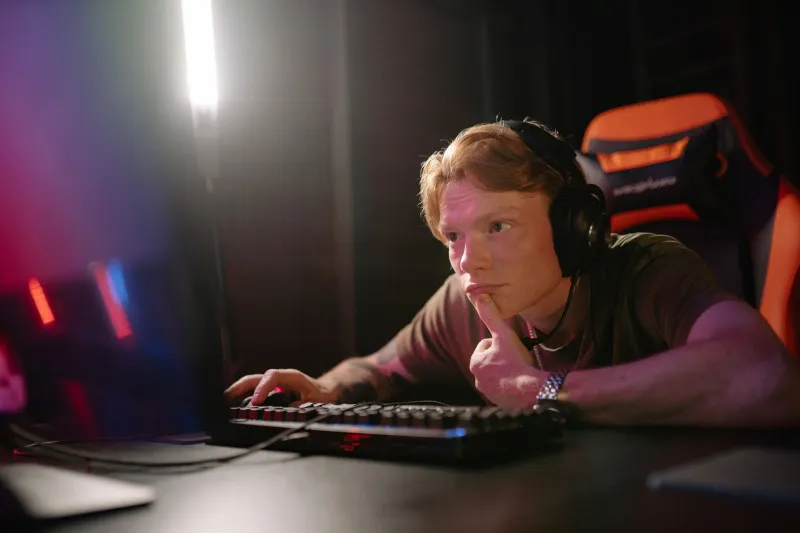
Something real is shifting in the way competitive gamers build their brands and their audiences. The highlight reel is still alive, but a growing number of elite competitors are doing something that would've seemed almost counterintuitive a few years ago: they're streaming their actual practice. The drills. The VOD reviews. The failed experiments. The moments where they openly don't know the answer yet. And weirdly, it's working.
The Audience Has Changed — Have You Noticed?
Let's be honest about who's watching gaming content right now. The casual viewer who just wants to see crazy clips is still out there, but they're increasingly outnumbered by a different kind of fan — someone who's also trying to get better. Someone who's grinding ranked themselves, thinking about going competitive, or just genuinely curious about what separates good players from great ones.
That audience doesn't just want to be amazed. They want to understand. And a perfectly edited montage, for all its entertainment value, doesn't really teach anything. It just shows you the outcome without the process.
Practice streams flip that completely. When a top-ranked player sits down and works through a specific weakness in their game — maybe it's their off-angle decision-making, maybe it's a matchup they keep losing — viewers get something they can't get anywhere else: a real-time look at how a high-level mind approaches a problem. That's genuinely valuable content, and audiences are responding to it.
Credibility Is the New Clout
Here's the thing about the esports space in 2024 and beyond — it's crowded. There are thousands of streamers posting clips, thousands of creators making tier lists and commentary videos. Standing out on pure entertainment value alone is brutally hard. The market is saturated.
But credibility? That's still relatively rare, and it's harder to fake.
When a player streams their practice and shows genuine struggle — when they miss a read, acknowledge it out loud, and then work through why it happened — they're building something that a highlight reel simply cannot: trust. Viewers start to see them not just as a performer but as a legitimate source of knowledge. That's a completely different relationship, and it has real downstream value.
Sponsors have noticed. Brands that are investing in the gaming space aren't just looking for reach anymore — they want authenticity and community depth. A streamer with 50,000 engaged viewers who treat them like a coach or a mentor is often a more attractive partner than someone with 200,000 passive followers who tune in for the clips and bounce. Practice content builds the former kind of audience almost by default.
The Vulnerability Play Is Actually a Dominance Move
This is the part that messes with people's heads a little, because it seems backwards. Showing failure feels like weakness. Admitting you don't have something figured out yet feels like giving up ground. Competitive gaming culture has always had a strong bias toward projecting confidence and invincibility.
But the players who are leaning into transparent practice content aren't actually being vulnerable in a way that costs them anything. They're being strategic about it.
Think about it from a positioning standpoint. If you're willing to stream yourself working through a difficult problem in real time, you're implicitly telling your audience: I'm so confident in my overall skill level that I can show you my rough edges and it doesn't threaten my reputation. That's a power move. It signals a kind of security that pure highlight farming never can.
And there's something else happening too. When viewers watch a pro player struggle with something and then work through it, they feel like they're part of the process. That sense of shared journey creates loyalty that's almost impossible to manufacture through polished content alone. People root for people they feel connected to.
What This Looks Like in Practice
The players doing this well aren't just hitting the 'go live' button and fumbling around. There's still a layer of intentionality to it. The best practice streams tend to have a stated focus — maybe it's working on a specific mechanic, maybe it's reviewing losses from the previous day's session and identifying patterns. That structure gives viewers something to follow and makes the content feel purposeful rather than aimless.
VOD review streams are particularly effective for this. Sitting down with recent gameplay footage and talking through decisions out loud — why you made a certain call, what information you had, what you'd do differently — is one of the most educational formats in competitive gaming content right now. It's the closest thing viewers can get to actually being inside a pro player's head.
Some players are also doing drill-focused streams where they isolate a specific skill and grind it repetitively. That might sound boring, but for the right audience — people who are serious about improving — watching someone deliberately practice at a high level is genuinely compelling. It normalizes the idea that even elite players put in boring, repetitive work. That reframing alone is valuable for viewers who are trying to build their own practice habits.
The Next Generation Learns Differently
There's a bigger cultural shift underneath all of this. Younger gamers coming up right now have grown up with YouTube tutorials, coaching content, and educational breakdowns as a normal part of how you learn a game. The idea that you just figure it out on your own, in private, and only show people the finished product — that's increasingly a legacy mindset.
The next generation wants to see the work. They want to understand the process, not just admire the result. And the players and creators who meet them where they are — who make their practice visible and their thinking transparent — are going to build the most durable audiences in the space.
Highlight reels will always have a place. A nasty clip will always go viral. But the grind economy runs on something deeper than that, and the players who understand it are quietly building something that lasts a lot longer than a trending moment.
The meta has shifted. Dominate it by showing your work.